
Your Guide to Preparing Your Roof for Maine's Summer Storms
After a long Maine winter, the arrival of summer is a welcome change. We trade snow shovels for lawnmowers and look forward to warmer days. But with that warm, humid air comes the potential for some wicked summer storms. Sudden downpours, high winds, and thunderstorms can test the limits of your home's defenses, and your roof is the first line of protection. Here in the Bangor area, ensuring your roof is ready for the season is one of the smartest things a homeowner can do. A little proactive maintenance now can prevent significant stress and costly repairs down the road. This guide will walk you through the essential steps to ensure your roof is storm-ready, giving you peace of mind all summer long.
Step 1: Assess the Aftermath of Winter
Our harsh winters are tough on everything, especially our roofs. The sheer weight of snow, the freeze-thaw cycles, and the formation of notorious ice dams can leave behind hidden damage that isn't obvious until the first heavy summer rain. Before you can prepare for summer, you need to understand what winter left behind.
As the last of the snow melts, it's the perfect time for a careful visual inspection from the ground. Look for:
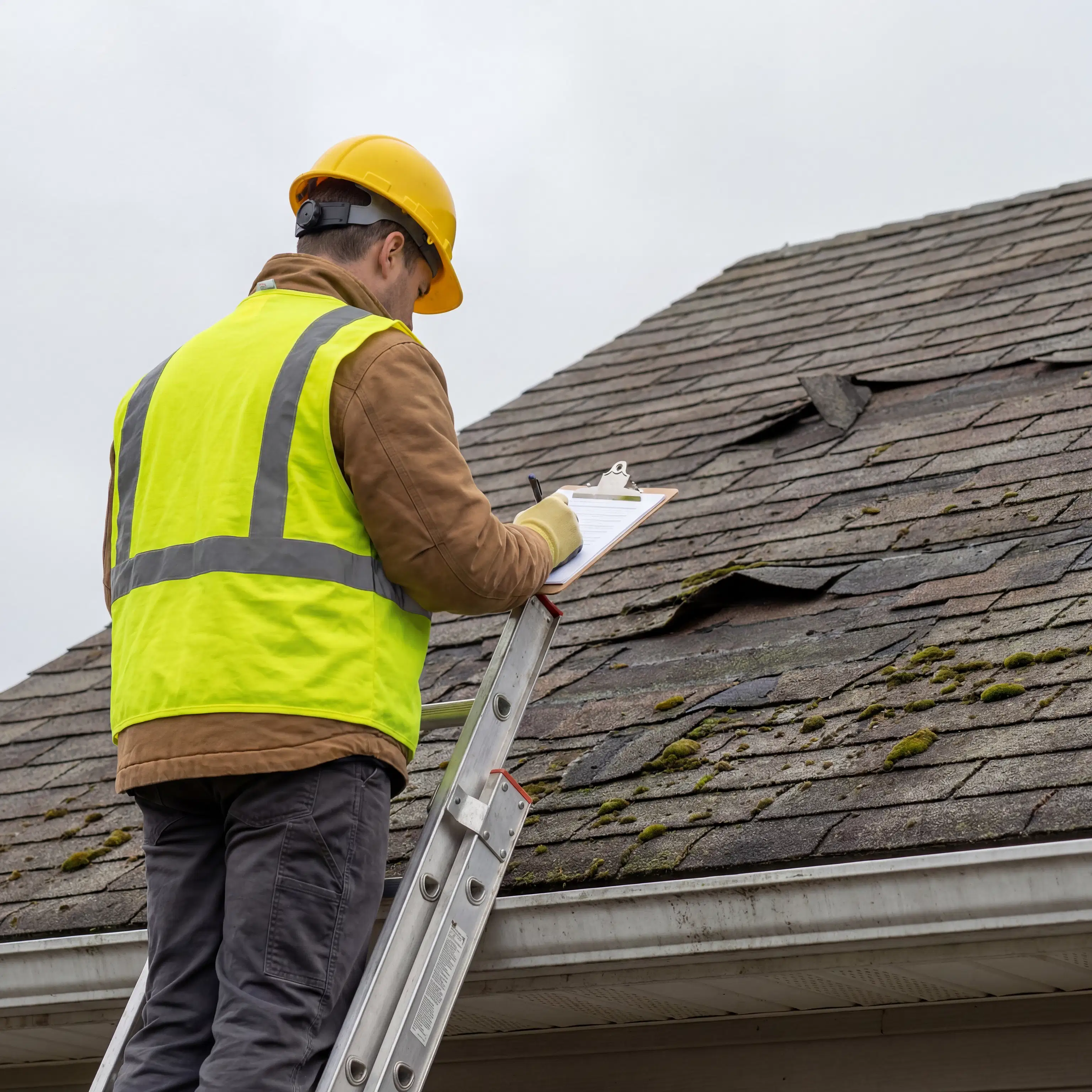
- Loose or Missing Shingles: Strong winter winds can lift and tear shingles, leaving your roof's underlayment exposed. Pay close attention to the edges and ridges of your roof, as these areas are particularly vulnerable.
- Curling or Cracking Shingles: Age and weather exposure can cause asphalt shingles to lose their integrity. Shingles that are curling at the edges or showing significant cracks are nearing the end of their lifespan and are less effective at shedding water.
- Granule Loss: Check your gutters and the ground around your downspouts for an accumulation of what looks like black sand. These are the protective granules from your asphalt shingles. While some loss is normal over time, a large amount indicates that your shingles are wearing out and becoming brittle.
Step 2: The Essential Summer Storm-Ready Checklist
Once you have a general idea of your roof's condition, you can focus on specific areas that are critical for storm readiness. Addressing these potential problem spots is key to preventing leaks when the weather turns.
Inspect Your Flashing
Flashing is the thin metal material installed around chimneys, vents, skylights, and in the valleys of your roof. Its job is to direct water away from these vulnerable seams. The expansion and contraction from winter's temperature swings can cause flashing to warp, loosen, or pull away from its seals. Damaged flashing is one of the most common sources of roof leaks, so ensuring it's secure and intact is crucial.
Clean Your Gutters and Downspouts
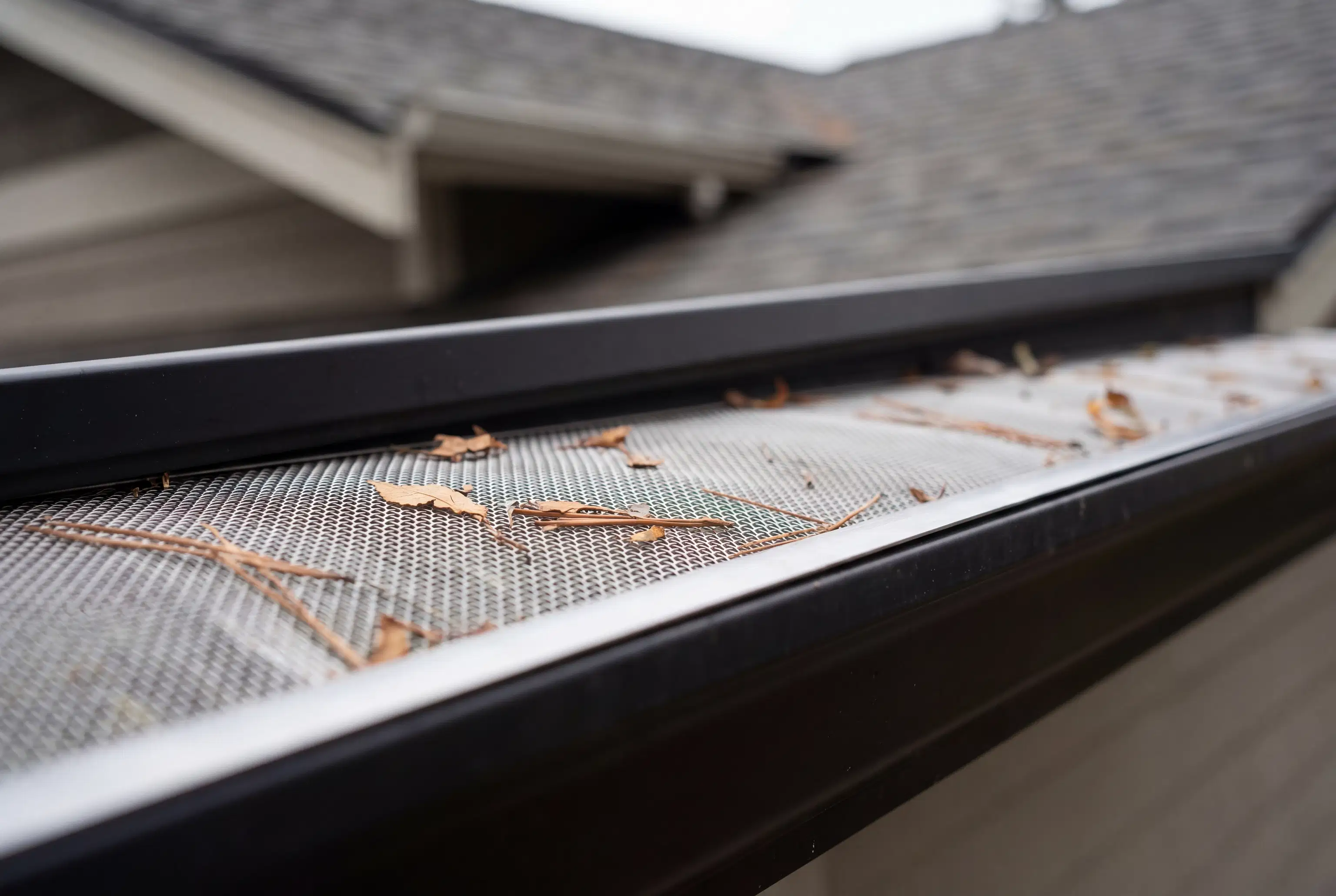
This is one of the most important—and often overlooked—tasks. Gutters clogged with leaves, pine needles, and shingle granules can't do their job. During a heavy summer downpour, water will overflow, running down your siding, pooling around your foundation, and potentially seeping back up under the edge of your roof. Clean, functional gutters are essential for channeling thousands of gallons of water safely away from your home. Make sure they are clear of debris and that downspouts are directing water several feet away from the foundation.
Look for Signs Indoors
Sometimes the first sign of a roof problem isn't on the roof at all. Head up to your attic on a sunny day and look for any beams of light coming through the roof—a sure sign of a hole. Also, check the underside of the roof deck and the insulation for water stains, dark spots, or signs of mold and mildew. These are clear indicators of a leak that a summer thunderstorm will only make worse.
Step 3: Why Proactive Maintenance Beats Reactive Repairs
Discovering a leak in the middle of a thunderstorm is a stressful and often expensive experience. The cost of an emergency repair, not to mention the potential for interior water damage to ceilings, walls, and personal belongings, can be overwhelming. This is why we always emphasize the value of proactive care.
Investing in a professional roofing inspection is a small price to pay for peace of mind. An experienced roofer can safely get on your roof and spot subtle signs of wear and tear that an untrained eye might miss. They can identify and address minor issues—like replacing a few loose shingles or resealing flashing—before they escalate into major problems. This approach aligns with our core values of quality craftsmanship and fair pricing; we believe in providing durable, long-term solutions that protect your investment, not just patching problems as they arise. A well-maintained roof not only keeps you dry but also preserves your home's value and structural integrity.
Don't Wait for the Storm to Hit
Your roof works hard to protect your family and your home. Taking the time to prepare it for summer storms is a vital part of homeownership in Maine. By assessing for winter damage and running through our storm-ready checklist, you can catch potential issues before they become costly emergencies.
If you've noticed any of the warning signs mentioned above, or if you simply want the confidence of a professional assessment, don't hesitate to reach out. The team at Peak Performance Roofing is here to help. We provide honest evaluations and high-quality roofing and gutter services to homeowners throughout the Bangor community. Contact us today to schedule your free, no-obligation estimate and ensure your home is ready for whatever the summer season brings.