How Gutter Alignment Protects Your Home's Siding
When we think about protecting our homes from the harsh elements, the roof usually gets all the glory. However, your home's exterior is a complex system where every component must work together seamlessly to keep the interior dry and secure. One of the most overlooked relationships in exterior home maintenance is the crucial connection between your roof's drainage system and the exterior walls. Proper gutter alignment is the unsung hero when it comes to defending your home, particularly in regions that experience severe weather.
Living near Bangor, we know that our homes are subjected to a unique set of challenges. From heavy spring rains that usher in Mud Season to the fierce, wind-driven precipitation of a coastal Nor'easter, your home's exterior takes a beating. While many homeowners invest heavily in high-quality siding to withstand these conditions, that investment can be quickly undermined if the gutters above are not functioning correctly. At Peak Performance Roofing, we often see the cascading effects of poor drainage. When gutters sag, pull away from the fascia, or are pitched incorrectly, they stop moving water away from the home and instead funnel it directly onto your exterior walls.
The Silent Threat: How Failing Gutters Damage Exterior Siding
Understanding how failing gutters damage exterior siding requires looking at the sheer volume of water that hits your roof during a storm. A standard residential roof can collect hundreds of gallons of water in a surprisingly short amount of time. Gutters are designed to catch this runoff and channel it safely down the downspouts and away from the foundation.
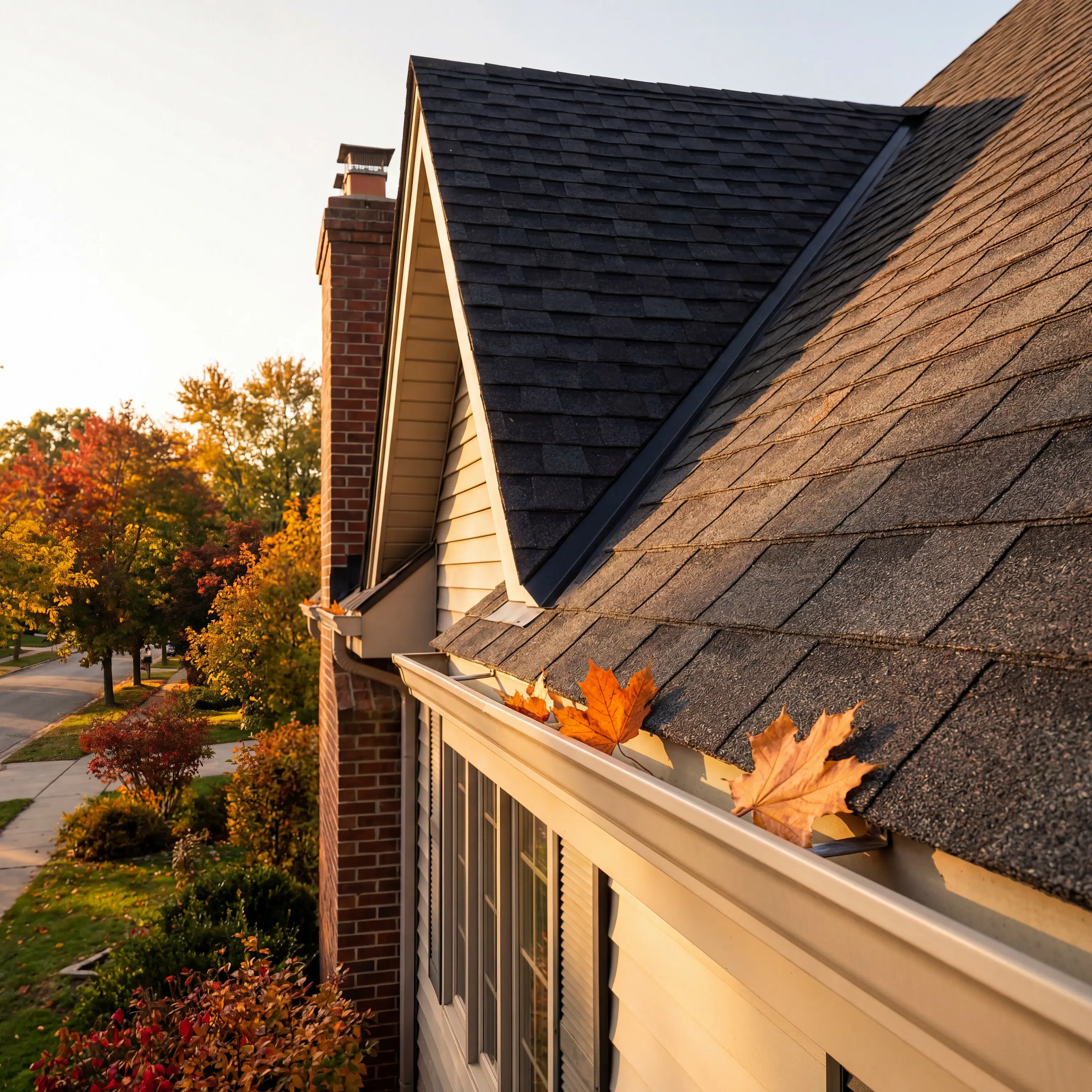
When gutters are misaligned, they lose their engineered pitch—the slight downward slope necessary for water to flow toward the downspouts. Water begins to pool, and eventually, it spills over the edges. This constant overflow creates a waterfall effect directly onto your siding. Over time, this repetitive exposure to heavy moisture breaks down the integrity of the materials.
Preventing water rot behind home siding is a major priority for any homeowner looking to preserve their property value. When water constantly runs down the exterior, it eventually finds its way into tiny cracks, seams, and window casings. Once moisture penetrates the outer barrier, it becomes trapped between the siding and the home's sheathing. In our cold climate, this trapped moisture is wicked tough on homes because it freezes, expands, and causes the siding to warp or crack. Furthermore, persistent dampness creates the perfect environment for mold, mildew, and wood rot to thrive unseen, potentially compromising the structural integrity of the walls.
Signs of Gutter Overflow Affecting Your Siding
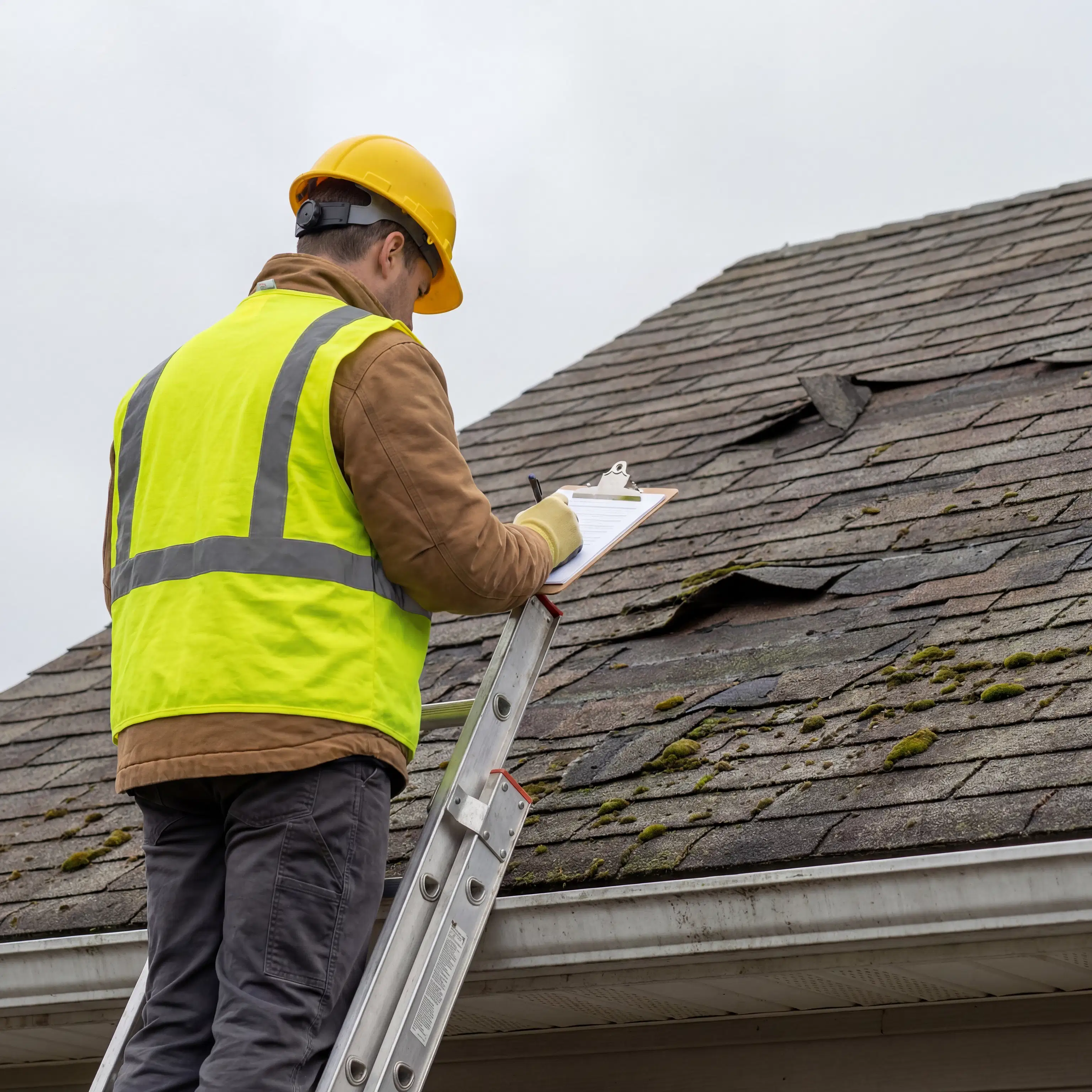
Being proactive is the best way to protect your investment. Recognizing the early signs of gutter overflow affecting your siding can save you from costly structural repairs down the line. One of the first indicators is staining or discoloration on the exterior walls. If you notice vertical streaks of dirt or rust-colored marks running down the side of your house, it is a clear sign that water is escaping the gutter system.
Another red flag is peeling paint or bubbling finishes on your exterior. Moisture intrusion causes the materials underneath the paint to swell, forcing the paint to lift and flake away. If you have vinyl or aluminum materials, you might not see peeling paint, but you may notice an excessive buildup of green algae or mildew in specific areas where water consistently splashes.
During the colder months, misaligned gutters contribute significantly to winter headaches. When water pools in poorly pitched gutters and freezes, it creates heavy ice blocks that further pull the gutters away from the fascia board. This exacerbates the dreaded ice damming effect, pushing freezing water up under the roofline and down behind the exterior walls. Addressing these alignment issues in the autumn is critical to ensuring your home is prepared to shed heavy snow and ice efficiently.
Inspecting Exterior Siding and Gutters for Water Intrusion
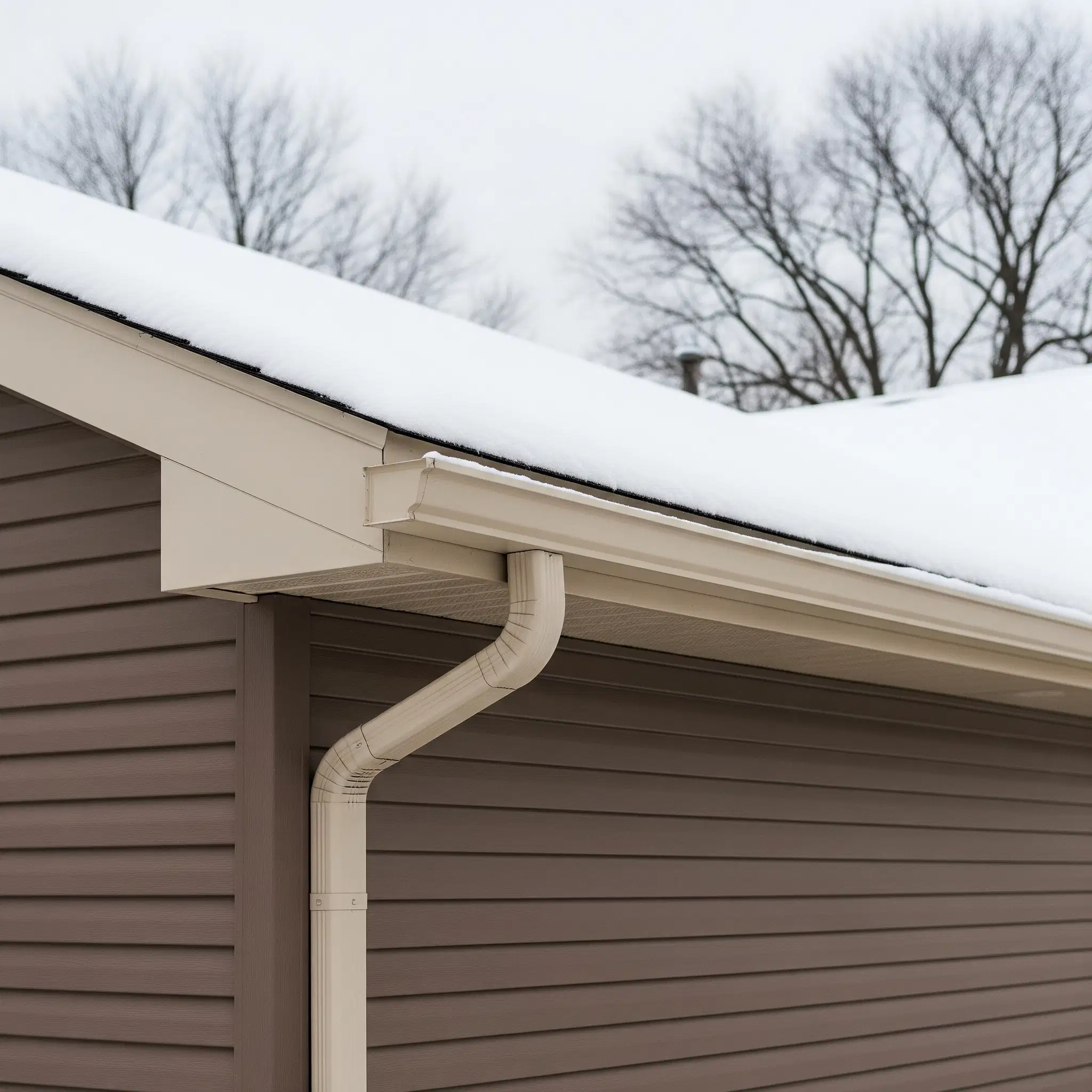
Regularly inspecting exterior siding and gutters for water intrusion should be a staple of your seasonal maintenance routine. Start by walking the perimeter of your home during a moderate rainstorm. Look up at your roofline to see if water is flowing smoothly out of the downspouts or if it is dripping and pouring over the sides of the gutters. Pay close attention to the corners and seams, as these are common failure points.
If you are uncomfortable checking these systems yourself, relying on a professional is the safest and most thorough option. At Peak Performance Roofing, we utilize modern technology, including drone-assisted roof inspections, to safely and accurately assess hard-to-reach areas of your home's exterior. This allows us to spot alignment issues, failing fasteners, and hidden moisture damage without putting boots on a wet or icy roof.
We believe in providing quality craftsmanship and fair pricing for our neighbors throughout the Penobscot Valley. Whether you need to realign your current drainage system, upgrade to high-quality seamless gutters, or repair damaged siding, our team is committed to ensuring you are completely satisfied with the results. We stand behind our work with strong warranties, giving you peace of mind that your home is fully protected against whatever the weather throws our way.
Don't wait for a small drip to turn into a major siding repair. If you suspect your exterior drainage system is failing, reach out to Peak Performance Roofing to schedule a comprehensive evaluation today.