Don't Let Winter Win: A Homeowner's Guide to Preventing Ice Dams in Maine
If you've lived through a Maine winter, you know the drill. The snow piles up, the world looks beautiful, and then you see them: the thick ridges of ice and menacing icicles hanging from your roof's edge. These are ice dams, and while they might look picturesque, they're a wicked serious threat to your home. For homeowners in the Bangor area, preventing ice dams isn't just about maintenance; it's about protecting your biggest investment from costly water damage. At Peak Performance Roofing, we've seen firsthand the problems ice dams can cause, from ruined insulation and drywall to compromised structural integrity. The good news is that with the right approach, you can stop them before they ever start. This guide will walk you through what causes ice dams and, more importantly, how to prevent them for good.
What Causes an Ice Dam?
Understanding how an ice dam forms is the first step toward preventing one. It’s a simple, yet destructive, cycle that happens on thousands of roofs every winter. Here’s the breakdown:
- Heat Escapes: Warm air from your living space rises into your attic. If your attic isn't properly insulated and sealed, this heat warms the underside of your roof deck.
- Snow Melts: The snow on the upper parts of your now-warm roof begins to melt, even when the outside temperature is below freezing.
- Water Runs and Refreezes: The melted snow (water) runs down your roof until it reaches the cold eaves and gutters, which are not warmed by your home's heat. Here, the water refreezes, creating a small ridge of ice.
- The Dam Builds: As this cycle continues, the ridge of ice grows larger, forming a dam. This dam traps the water flowing from above, creating a small pool on your roof.
This trapped water has nowhere to go but up. It seeps backward underneath your shingles, where it can refreeze and expand, or leak directly into your attic and home. This is when the real damage begins.
The Three Keys to Long-Term Prevention
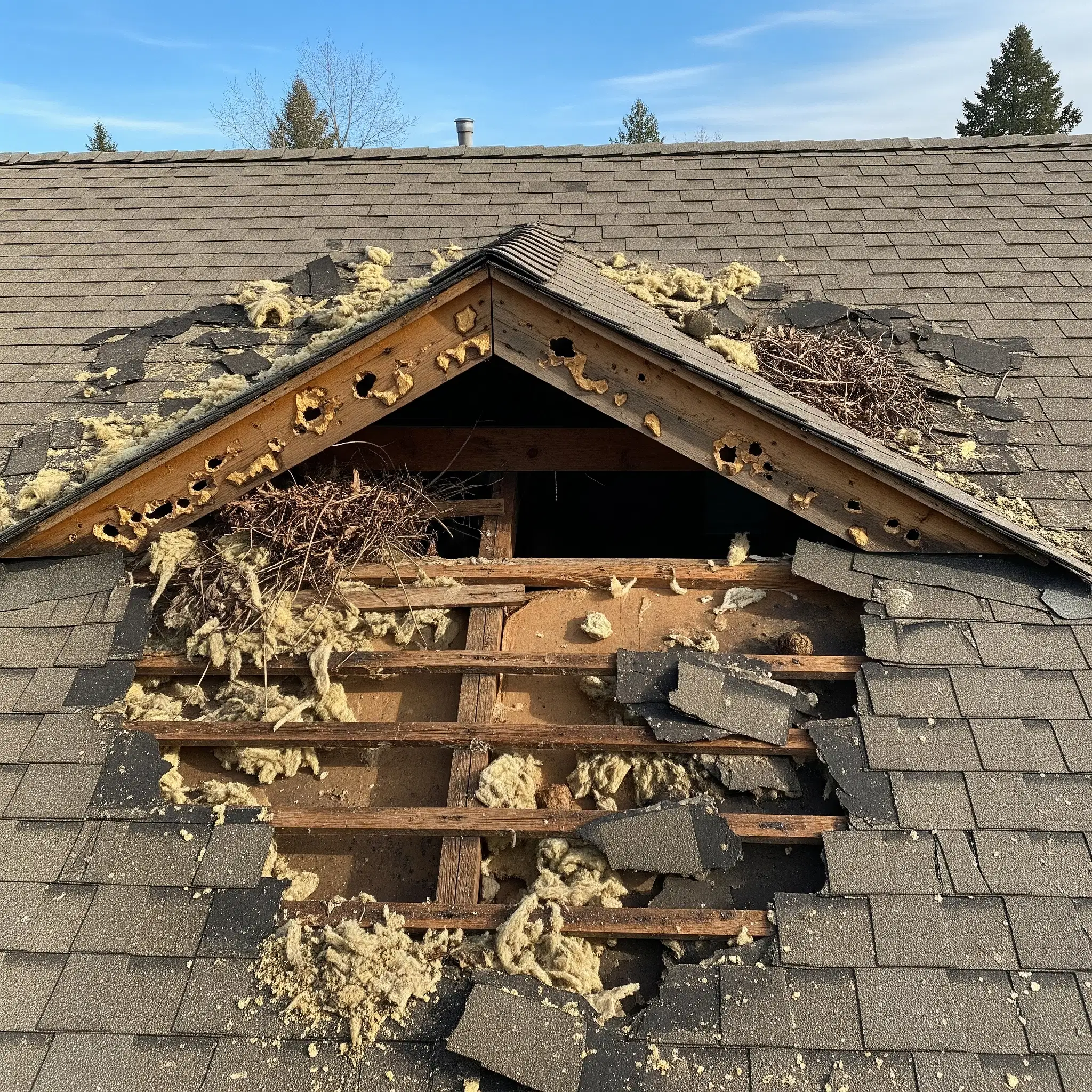
While raking snow off your roof can be a temporary fix, it doesn't solve the underlying problem. True ice dam prevention is about controlling the temperature of your roof deck. This is achieved through a combination of three critical elements working together as a system.
-
Insulation: The most important factor is having a thick, even layer of insulation on your attic floor. This acts as a thermal barrier, keeping the warm air from your living space where it belongs and preventing it from heating the roof above. Proper insulation not only helps prevent ice dams but also significantly improves your home's energy efficiency, saving you money on heating bills.
-
Ventilation: A well-ventilated attic allows cold, outdoor air to circulate continuously, keeping the roof deck consistently cold from eaves to peak. This is typically achieved with a balanced system of soffit vents (intake) and ridge vents (exhaust). This airflow ensures that any small amount of heat that does escape into the attic is whisked away before it can melt the snow on your roof.
-
Air Sealing: Often overlooked, sealing air leaks between your home and the attic is crucial. Gaps around light fixtures, plumbing vents, attic hatches, and chimneys can act as superhighways for heat to escape. A professional can identify and seal these gaps, dramatically reducing heat loss and keeping your roof cold.
Your Roof's Role in the Fight Against Ice Dams
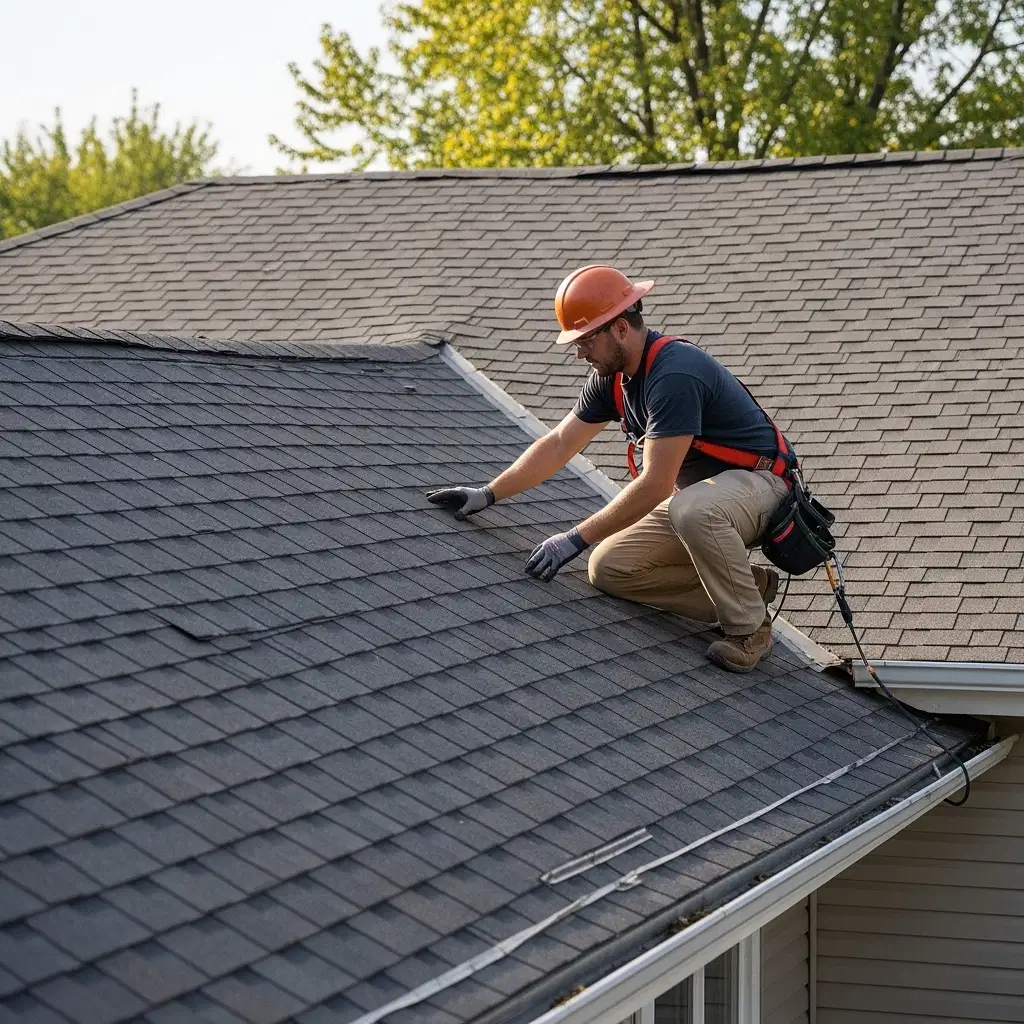
Even with perfect insulation and ventilation, your roofing system itself is the final line of defense, especially during a powerful Nor'easter. A professionally installed roofing system includes components specifically designed to protect against water intrusion from ice dams.
One of the most critical components is an ice and water shield. This is a self-adhering waterproof membrane that is installed along the eaves, in valleys, and around any roof penetrations before the shingles are laid down. It acts as a final, failsafe barrier, so even if water gets under the shingles, it cannot penetrate the roof deck and enter your home.
Additionally, keeping your gutters clean and free of debris is essential. Clogged gutters can prevent water from draining properly, which contributes directly to the formation of ice dams at the roof's edge. Regular maintenance ensures that when snow does melt, the water has a clear path to drain away from your home.
Protect Your Home This Winter with Peak Performance Roofing
Dealing with the aftermath of an ice dam can be a stressful and expensive ordeal. The best strategy is always prevention. By ensuring your home has the right combination of insulation, ventilation, and a high-quality roofing system, you can enjoy peace of mind all winter long.
If you're concerned about your home's vulnerability to ice dams or have noticed signs of winter roof damage, don't wait for a leak to appear. The team at Peak Performance Roofing is here to help homeowners across the Bangor region protect their properties. We focus on quality craftsmanship and durable materials to provide long-term solutions. Contact us today for a free, no-obligation roof inspection and estimate, and let's make sure your home is ready to handle whatever a Maine winter throws its way.